
Maternal Peer Support
What is Maternal Peer Support?
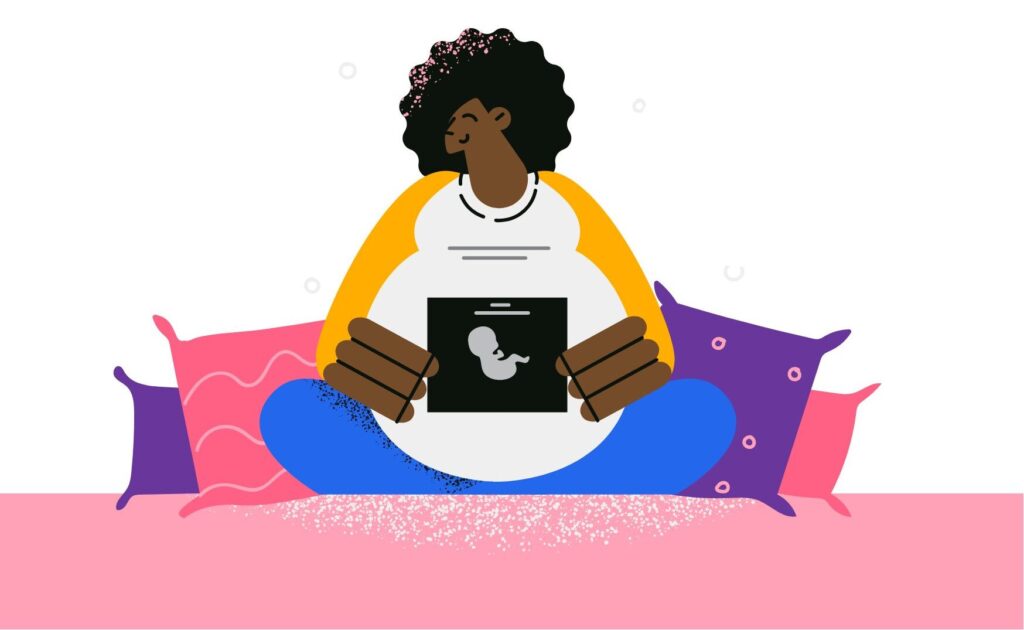
Maternal Peer Support is structured community-based support that typically takes the form of personalized one-on-one pairings between a pregnant person and a support person. Formalized Maternal Peer Supporters (MPS) are commonly referred to as doulas and are trained, non-medical professionals who provide continuous informational, social, physical, and emotional support throughout pregnancy, birth, and post-partum.
What Peer Supporters Do

Pregnancy
Peer support during pregnancy is typically in the area of birth preparation: identifying birth preferences, practicing labor positions and comfort techniques, going over the phases of labor and what to expect in each phase, and discussing what options and rights a woman/birthing person has in the delivery room. A peer supporter also helps a new family prepare for the transition to post-partum and newborn life, unpack any worries or fears, and instill a sense of confidence.
Birth
A peer supporter is typically “on-call” from ~38 weeks and accompanies the birthing person in their home, birth center, or hospital. They provide continuous physical and emotional support during labor and can also help partners understand how they can provide support.
Peer supporters are not midwives or doctors. While a they focus on individualized support for one person at a time, midwives often attend to several people in labor and are responsible for many clinical and administrative tasks besides direct labor support.
Postpartum
Easing the transition into newborn parenting can look different for every family, but may include lactation/bottle-feeding insight, helping to emotionally process the birth, or lending an empathetic ear in what is a particularly hormonal time in a person’s life. An essential role of the peer supporter post-partum is not only to check in on their client’s physical wellbeing, but also to provide emotional support, reassurance, and nourishment in whatever capacity is needed. Some people offer additional support such as overnight stays, picking up groceries, or watching older children so that the new parents can shower, nap, or have a moment to themselves.
Peer supporters as advocates
A peer supporter/doula advocates for the client’s wishes as expressed in their birth plan, prenatal conversations, and intrapartum discussion, by encouraging them to ask their midwife questions and to express their preferences or concerns. It’s very important that both parties recognize that the advocacy role does not include the supporter speaking instead of the birthing person or making decisions for them. The advocacy role is best described as streamlining the communication between the client and care provider.
What peer supporters do not do
Peer supporters/doulas do NOT:
- Give medical advice
- Diagnose illnesses
- Prescribe or give medicines, treatments, or drugs
- Provide clinical or medical tasks, such as checking cervical dilation, monitoring fetal heartbeat, or delivering babies
- Speak for their client or make decisions for the client
Why is Matters for Health Equity
Long-term, personalized and culturally responsive peer support can help families navigate the maternal healthcare system with greater confidence and access to information.
MPS assist families to acquire the knowledge and tools they need to exercise their right to make informed maternal health decisions. Their role is to empower pregnant people to communicate openly and confidently with their healthcare providers about their birth options, preferences, and questions.

Looking for peer support?
Email us at info@empoweredbirthmovement.com